When Shopify Problems Kill Sales: Real Scenarios Store Owners Face

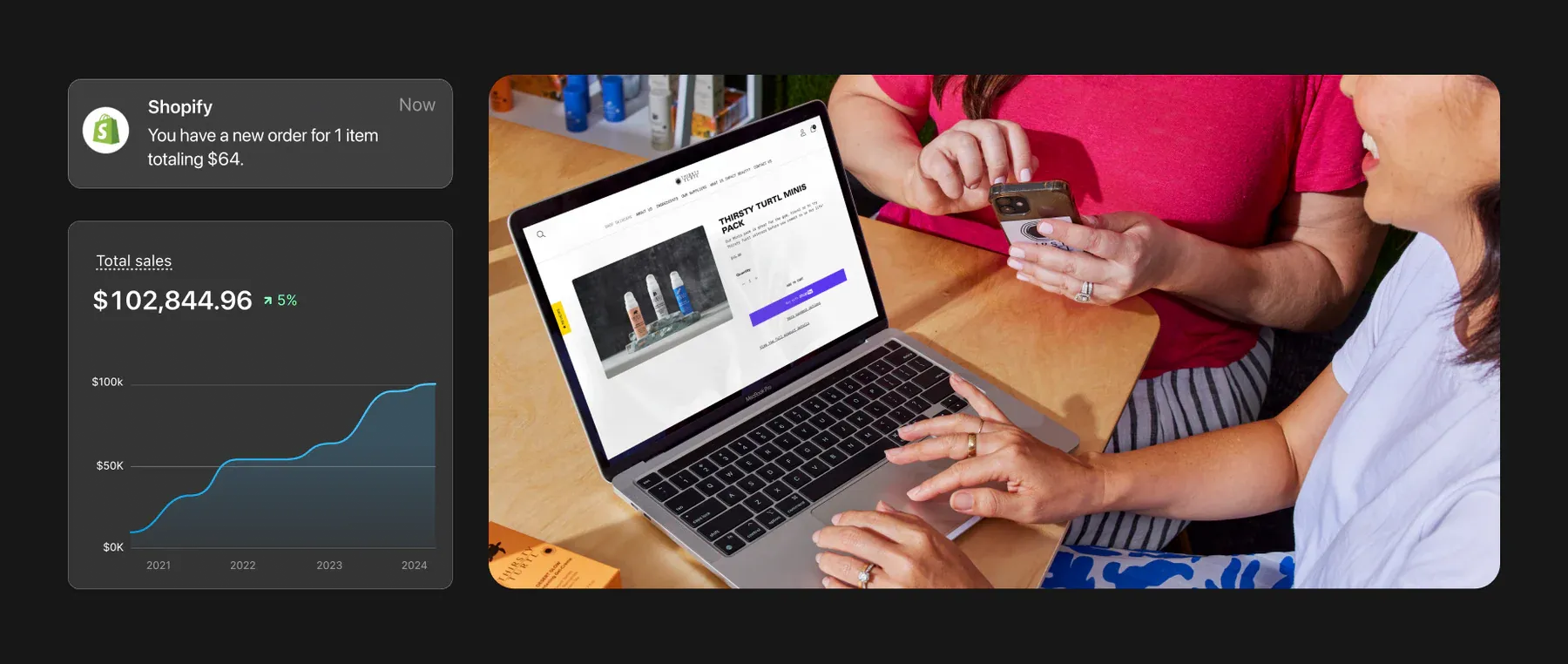
For many Shopify merchants, a sudden drop in sales feels like a mystery — traffic stays steady, ads continue to perform, and conversion metrics don’t show obvious errors. But behind the scenes, a series of technical issues can quietly block purchases, disrupt inventory data, and make products impossible to buy. In this article, we explore real scenarios where Shopify problems kill sales, backed by actionable data and examples that show exactly how revenue erodes when things go wrong.
The Invisible Killers: Why Shopify Errors Don’t Always Look Like Errors
Shopify is a powerful ecommerce platform that handles everything from product listings to checkout logic. According to the official
Shopify commerce platform overview,
a sale completes only when a product is eligible, inventory is valid, checkout is functional, and payment is authorized. A failure in any of these layers — even if invisible on the surface — can stop sales cold.
What makes these problems particularly dangerous is that they often don’t show obvious error messages or downtime alerts, so merchants only notice the impact after revenue has already declined.
Scenario 1: Inventory Errors That Block Purchases
Inventory issues are one of the most common technical causes of lost revenue on Shopify. Even small discrepancies between actual stock and system stock can stop customers from completing purchases.
Why Inventory Problems Kill Sales
Industry data makes the stakes clear: roughly 69% of online shoppers abandon a purchase immediately when a product shows as out of stock, and 73% may switch brands if stockouts happen repeatedly.(opensend.com)
When this happens:
- SEO traffic lands on a product page but no orders occur
- Paid advertising drives clicks to items that can’t be bought
- Customer trust takes a hit that reduces repeat purchases
Real Merchant Scenario: Phantom Stockouts
An eco-friendly home goods store experienced a sharp drop in conversions during a promotion. Top-selling SKUs were incorrectly marked as “out of stock” because sync delays between Shopify and their fulfillment partner weren’t updated in real time.
Outcome:
- Conversion rate dropped by 15%
- Hundreds of abandoned carts
- Significant revenue loss over two weeks
This example shows how inventory inaccuracies can look like normal sales volatility, not a technical outage — yet they directly suppress revenue.(Monitrees.com)
Scenario 2: Abandoned Cart Surges Linked to Checkout Friction
Cart abandonment is a silent revenue killer across ecommerce platforms. According to benchmarks, Shopify stores typically see cart abandonment rates around 67–70%, meaning the majority of customers who add items to cart never complete the purchase.(Red Stag Fulfillment)
Technical factors that contribute include:
- Unexpected stockouts during checkout
- Errors in payment validation
- Incompatibility with wallets or regional payment gateways
- Slow page loads that time out sessions
Impact on Revenue
High abandonment erodes the efficiency of your marketing channels — traffic and paid ads still cost money, but fewer visitors convert.
Scenario 3: Multi-Location Sync Delays and Overselling
Today’s Shopify stores often sell across multiple channels and locations: online store, marketplaces, social commerce, and physical POS systems. Without accurate real-time sync, inventory can become inconsistent.
When a product shows as available but is actually out of stock, customers place orders only to have them canceled later. This leads to refunds, negative reviews, and damaged customer loyalty — all of which further depress sales over time.
Research shows that managing inventory alignment with changing consumer demand is a massive challenge for nearly all Shopify SMBs, with 98% admitting difficulty syncing production and inventory with demand changes.(Business Wire)
Scenario 4: App Conflicts That Break Checkout Logic
Shopify’s app ecosystem adds flexibility but also fragility. Tools for bundles, pre-orders, inventory split by location, and market channel automation can introduce conflicts with Shopify’s core logic. When an app overrides checkout behavior or product eligibility without a clear alert, sales can silently fail.
For example, a merchant might configure an app to “continue selling when out of stock,” intended to capture pre-orders. But without clear tracking, that setting can cause negative inventory states where products are listed as purchasable even though fulfillment isn’t possible. Customers attempt to check out — and fail — leading to lost revenue and a spike in refunds or support tickets.
Scenario 5: Outage During High Traffic Events
Even if the Shopify storefront remains up, other parts of the system can falter. A notable example from recent reporting showed that during a peak shopping event like Cyber Monday, Shopify experienced temporary disruptions that limited administrative access and order management for some merchants.
While customers could still browse and attempt to buy, merchants couldn’t track inventory or manage orders — which still impacts revenue indirectly through operational paralysis.
This highlights how partial disruptions, even when not visible to customers, can still kill sales.
Hidden Costs Beyond Lost Orders
When Shopify problems kill sales, the impact goes beyond missing transactions:
- Wasted ad spend: Running campaigns for products that aren’t purchasable drains budget without ROI
- Damaged customer trust: Customers who encounter stock or checkout issues may never return
- Lower repeat purchase rates: 33% of customers may abandon a retailer after a stockout experience alone, reducing long-term value.
- Operational inefficiencies: Manual inventory corrections and fulfillment issues increase overhead(monitrees.com).
Early Warning Signals You Shouldn’t Ignore
Before sales visibly drop, technical Shopify problems often show subtle patterns:
- Conversion rates drop while traffic stays stable
- Abandoned cart rates spike unexpectedly
- Revenue declines only in specific regions or devices
- Frequent stockouts despite planned inventory levels
These issues can masquerade as marketing problems but are actually operational failures.(monitrees.com)
How Proactive Monitoring Helps Mitigate Silent Sales Killers
Because Shopify doesn’t automatically alert merchants about many of these silent failures, relying solely on dashboards and periodic inventory checks isn’t enough.
Proactive monitoring provides visibility into the signals that precede lost revenue. Instead of waiting for sales drops, stores can detect:
- Inventory discrepancies before stockouts become widespread
- Checkout failures before customers abandon
- Availability issues across channels and locations
Some Shopify merchants use tools like Monitrees to monitor store health 24/7 — tracking product availability, checkout success rates, and unexpected anomalies. Alerts can be sent via SMS, phone, or email when issues arise, allowing teams to respond before a store-wide sales drop becomes obvious.
This kind of monitoring doesn’t replace Shopify’s native tools — it fills in visibility gaps that can quietly erode revenue.(monitrees.com)
Final Thoughts: Turning Data into Actionable Insight
Technical problems can kill Shopify sales just as definitively as poor marketing. The difference is that technical issues often do so silently — without clear error messages or obvious downtime.
By understanding how these hidden failures operate and using real-time data to detect them early, merchants can protect revenue, maintain customer trust, and ensure that traffic and marketing efforts actually lead to conversions.
Investing in proactive operational visibility is no longer optional — it’s essential for sustainable Shopify growth.
Monitrees – Real-Time Business Monitoring
Inventory anomalies,
Monitrees sends instant CSM call alerts so your team can respond immediately.